AI Should Make Your Client Communication More Human
Most leaders say they want to use AI to move faster. Fair enough. Speed matters. But if faster output leads to colder follow-up, thinner relationships, and more forgettable client experiences, the business is not becoming more effective. It is becoming easier to replace.
That is the real leadership question in front of us now. When AI removes friction, what do you do with the time, attention, and energy it gives back? Strong leaders reinvest that gain into better conversations, clearer expectations, stronger judgment, and a higher standard of trust.
The point is not to sound more human with software. The point is to become more human where it counts.
Where Most Teams Get This Wrong
A lot of companies treat AI as a communication shortcut. They use it to draft emails, summarize meetings, automate responses, and push more messages through the system in less time. On the surface, that looks efficient. Underneath, it often creates a subtle decline in quality.
Clients feel it when replies become technically correct but emotionally flat. Prospects feel it when follow-up arrives quickly but without real thought. Teams feel it when communication gets outsourced instead of elevated. The business starts confusing throughput with presence.
That is not an AI problem. It is a leadership choice.
Efficiency Is Only Valuable If You Reinvest It Well
AI is excellent at removing low-value drag. It can help organize notes, surface patterns, prepare first drafts, tighten reporting, and reduce administrative waste. Used well, that creates room. Used poorly, it fills every open inch of the day with even more output.
The better move is to treat efficiency as recovered leadership capacity. That capacity can go into stronger client preparation, more thoughtful follow-up, clearer pre-meeting expectations, better internal alignment, and more deliberate conversations when stakes are high. In other words, the win is not just doing the work faster. The win is doing the human part better.
What Clients Still Notice and Pay For
Clients rarely stay loyal because a team answered in six minutes instead of sixteen. They stay because they feel understood, well-led, and confident that nothing important is slipping. They stay because someone anticipated the next question, clarified the path forward, and made complexity feel manageable.
That is where professional presence still carries commercial value. Warmth. Precision. Judgment. Follow-through. The ability to say the hard thing clearly without creating unnecessary friction. The ability to make people feel taken care of without becoming vague, over-accommodating, or reactive.
AI can support that standard. It cannot replace it.
A Better Leadership Standard for AI-Enabled Teams
If you lead a client-facing team, the goal should not be more automation for its own sake. The goal should be a visible rise in communication quality. People should feel more clarity, not less. More thoughtfulness, not less. More trust, not less.
A useful standard is simple: every efficiency gain should improve one of three things for the client. It should improve responsiveness, improve clarity, or improve relationship strength. If it does none of the three, it is probably just noise dressed up as innovation.
That standard also protects teams from hiding behind tools. It keeps the focus on outcomes people can actually feel.
Practical Ways to Reinvest the Time You Get Back
This does not need to be theoretical. Leaders can make the shift visible in very practical ways.
Use AI to reduce prep time, then spend the saved minutes identifying what matters most to the client before the meeting. Use AI to summarize calls, then have your team turn those notes into clearer next steps and stronger accountability. Use AI to create first drafts, then raise the bar on tone, relevance, and precision before anything goes out.
A few simple moves can change the experience quickly:
• Send follow-up that confirms ownership, timing, and priorities instead of generic thank-you notes.
• Prepare account teams with a sharper point of view before important conversations.
• Use recovered time to anticipate friction before the client has to name it.
• Coach people on communication quality, not just response speed.
• Make room for relationship-building touches that software alone would never think to add.
None of this is flashy. That is exactly why it works. Trust is usually won in the unglamorous details that weaker operators rush past.
What This Means for Founders and Senior Leaders
Founders set the tone for how AI gets used. If the message is simply do more with less, teams will optimize for speed, volume, and surface-level productivity. If the message is use AI to create more room for stronger human leadership, the culture moves in a very different direction.
That choice matters because client communication is never just an execution detail. It is part of the brand. It is part of retention. It is part of how confidence gets transferred from your team to the people buying from you. When communication quality rises, trust compounds. When it falls, revenue eventually feels it.
In an AI-driven market, many businesses will have access to similar tools. Fewer will have the discipline to turn those tools into better leadership behavior. That is where separation happens.
The Real Opportunity
The real opportunity is not to prove your team can automate more tasks. It is to prove your team can become more trusted as automation becomes normal. That requires a higher standard, not just a faster system.
If AI handles more of the busywork, leaders have fewer excuses for weak follow-up, muddy expectations, or shallow client relationships. The bar is going up. The businesses that benefit most will be the ones that use efficiency to create more calm, more clarity, and more confidence in every important interaction.
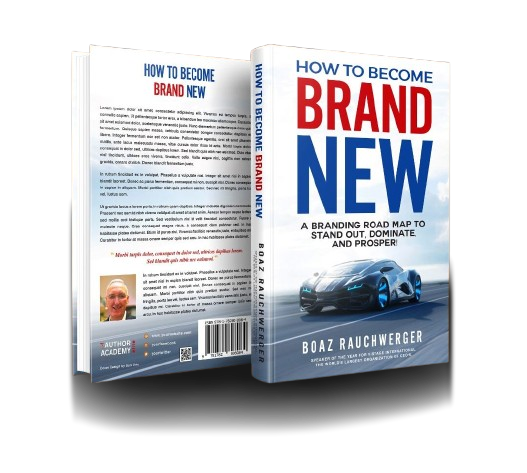
If you want stronger communicators, stronger leaders, and more confident client-facing professionals, the Brand New Leadership Mastermind is a practical place to start.