Remote work did not lower the leadership standard. It made the standard easier to see. When people are no longer sharing a hallway, a conference room, or a visible routine, every gap in communication, follow-through, and judgment becomes more noticeable.
That is why trust can break faster in flexible teams. Physical proximity used to cover for weak habits. A leader could look available, engaged, and connected simply by being around. Once presence is no longer physical, people start evaluating what actually holds the culture together.
The Wrong Assumption About Flexible Work
A lot of leaders still treat remote or hybrid work like a location issue. They focus on where people sit, how often they come in, or whether the old rhythms can be recreated through policy. That misses the real challenge.
Flexible work is a leadership clarity issue. It forces every team to answer harder questions about expectations, responsiveness, accountability, and relationship quality. If those answers are fuzzy, trust erodes quickly because people do not have the old visual signals to reassure them.
Why Trust Gets Fragile So Fast
In an office, people often fill in the blanks generously. They see someone moving from meeting to meeting, overhear a difficult conversation, or catch context in passing. Even when communication is imperfect, the environment supplies extra clues.
In remote settings, those clues disappear. Silence feels heavier. Delayed responses feel more personal. Unclear ownership creates more anxiety. A vague message can sound dismissive instead of brief. When leaders do not create intentional visibility, people start making their own interpretations, and those interpretations are rarely generous under pressure.
Presence Has Not Disappeared. It Has Shifted.
Leadership presence is still real. It just shows up through different channels now. Your presence is felt in how clearly you set direction, how consistently you follow through, how quickly you close loops, and how much confidence your communication creates.
That means strong leaders stop relying on visibility as proof of value. They build trust through steadiness. Their team knows what matters, what good looks like, when to escalate, and how decisions get made. People do not need constant access to feel supported when the standards are clear and the leader is reliable.
What Better Leaders Do Differently
The leaders who create confidence in flexible teams are usually disciplined in a few visible ways. They do not overcomplicate it, but they are intentional.
They clarify expectations early. They define what ownership means. They communicate with enough context that people are not left guessing. They make responsiveness a standard, not a personality trait. And they understand that tone carries culture when the room is digital.
They also protect relationship quality. They do not reduce communication to task updates alone. They create moments for alignment, coaching, and honest conversation, because trust does not grow from software. It grows from consistent human signals that say, I see the work, I respect the pressure, and I am not leaving you to figure this out alone.
A Practical Standard for Flexible Teams
If you lead a hybrid or remote team, it helps to audit the experience you are creating. Not the policy. The experience.
Ask yourself a few simple questions. Are priorities obvious without a meeting? Do people know what a good handoff looks like? When something slips, is the repair fast and clean? Does your communication create calm, or does it create extra interpretation work for everyone else?
Those questions matter because trust is rarely lost in one dramatic moment. It usually leaks through repeated friction. Missed context. Delayed replies. Half-clear direction. Feedback that lands colder than intended. Standards that exist in the leader's head but not in the team's day-to-day behavior.
The Business Cost of Weak Leadership Presence
When trust weakens in a flexible environment, the damage does not stay emotional for long. Execution slows. People hedge instead of deciding. Client communication gets shakier. Rising talent becomes less confident. Managers spend more time chasing alignment than creating momentum.
That is why this is not a culture side issue. It is an operating issue. Teams with weak communication standards waste energy on avoidable confusion, while teams with strong leadership presence move with more confidence, better judgment, and stronger professional relationships.
The New Signal of Strong Leadership
There is a reason so many people now question whether commuting for visibility ever made as much sense as we pretended it did. The conversation is not really about location. It is about what actually proves value, trust, and commitment in modern work.
The answer is not physical presence. It is leadership presence. Clear communication. Dependable follow-through. Professional tone. Honest accountability. A standard of behavior that helps people feel oriented, respected, and able to do strong work without unnecessary noise.
Flexible work did not create the trust problem. It exposed it. For founders and people leaders, that is useful news if they are willing to respond to it with stronger standards instead of stronger surveillance.
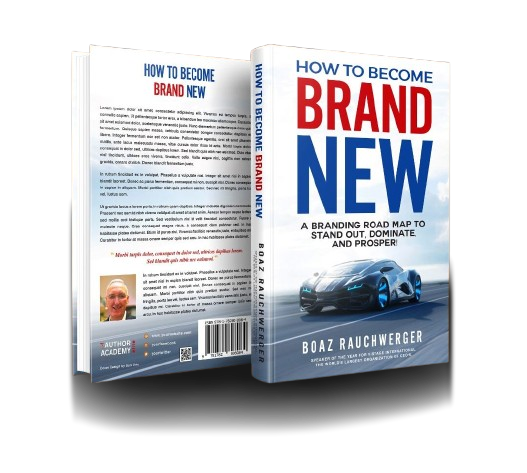
If you want stronger communicators, stronger leaders, and more confident client-facing professionals, the Brand New Leadership Mastermind is a practical place to start.