The Trust Risk Is Not AI. It Is Hidden Accountability.
Most leaders are not going to win client trust by pretending AI is absent from the work. They are going to win it by being unmistakably clear about where automation helped and where human judgment took over. In a market that already feels noisy, fast, and interchangeable, visible accountability becomes part of your professional presence.
That matters most in client-facing work. Proposals, project updates, recommendations, follow-up notes, and strategic summaries all carry more than information. They signal care, standards, and whether someone thoughtful is actually behind the message.
Why So Many Teams Get This Wrong
A lot of companies are treating AI as a quiet production layer. The model helps draft the first pass, tighten language, organize ideas, or speed up turnaround, but none of that is named. The assumption is that the less a client notices, the safer the team is.
That instinct misses the real issue. Clients are rarely offended by efficient tools. They lose confidence when they cannot tell whether anyone exercised discernment, caught nuance, or stood behind the recommendation. Silence around process can make polished work feel oddly hollow.
A Better Leadership Habit
The stronger habit is simple: name what was automated and what was judged. Not in a defensive way, and not as a technical disclaimer. As a leadership signal.
When a team says, in effect, "we used AI to accelerate synthesis, and a human leader reviewed the reasoning, selected the recommendations, and approved the final message," it does two useful things at once. It shows modern operational discipline, and it shows that someone credible is still carrying the weight of the decision. That distinction protects trust because it answers the question clients are already asking beneath the surface: who is accountable if this is wrong, tone-deaf, or incomplete?
Where This Shows Up in Real Work
Take a proposal. AI may help compress discovery notes, organize options, or draft a cleaner first version. But the pricing logic, strategic tradeoffs, sequencing, and final recommendation should be clearly owned by a person with judgment. That is where confidence comes from.
Or look at a client update during a sensitive project moment. AI can help structure the message and reduce time to draft. It cannot know which sentence needs more empathy, which risk needs plain language, or which issue requires a stronger point of view because the relationship is under strain.
The same is true in advisory work. A system can help surface patterns. It cannot replace the leader who knows when to push back, when to simplify, and when the obvious answer is not the wise one.
What Clients Actually Read as High Trust
Clients tend to trust work that feels both efficient and considered. They want responsiveness, but they also want signs that someone took responsibility for the interpretation. That is why the future of strong communication is not human versus AI. It is fast systems paired with visible human standards.
Leaders can reinforce that in small but meaningful ways. Name the recommendation owner. Clarify what was reviewed. Distinguish raw analysis from the final judgment. Make it easy for a client to see that the message was not simply generated and shipped.
Done well, this does more than reduce skepticism. It strengthens trust in the team, elevates the perceived quality of the relationship, and signals a level of professional maturity that many competitors still lack.
The Operational Standard Leaders Should Set
If you lead a business or a client-facing team, build a visible review standard instead of relying on informal judgment. Decide which kinds of communication can be AI-assisted, who must review them, what requires subject-matter signoff, and where final accountability sits. Make that standard teachable, repeatable, and easy to uphold under pressure.
This is not bureaucracy. It is trust infrastructure. In an AI-assisted market, the companies that feel most premium will not be the ones hiding their tools. They will be the ones proving that speed did not replace care, and that automation did not erase ownership.
The Human Value Worth Protecting
The real leadership opportunity here is not just better process. It is better signaling. When people know what was accelerated and what was judged, they understand where human value still lives: in discernment, responsibility, trust-building, and the ability to stand behind a message when stakes are real.
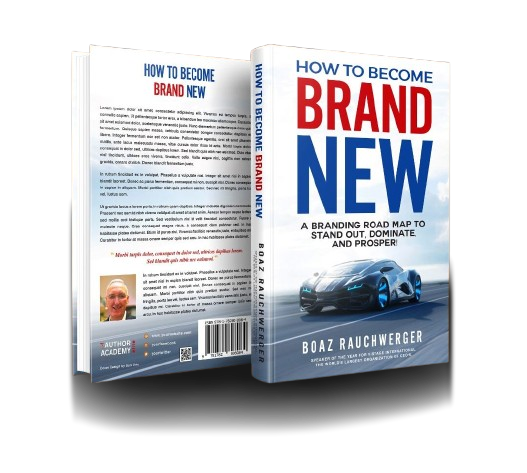
That is the habit worth building now. Not because AI is going away, but because credibility will belong to the leaders who know how to use it without outsourcing their judgment. If you want stronger communicators, stronger leaders, and more confident client-facing professionals, the Brand New Leadership Mastermind is a practical place to start.